 IST,
IST,





Speeches & Media Interactions
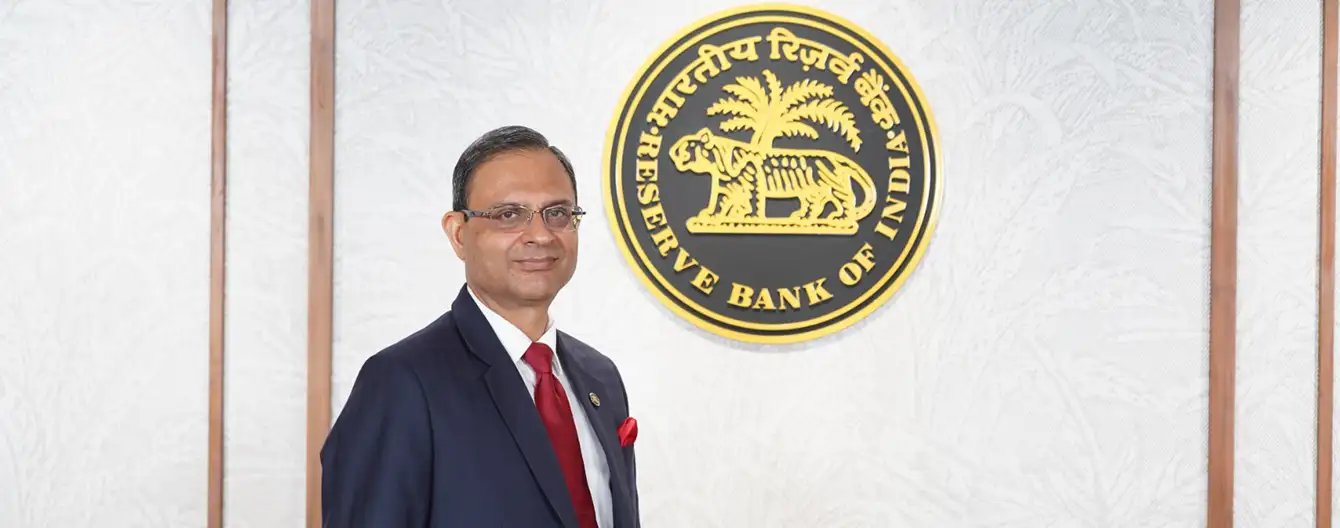

Monetary Policy Statement by RBI Governor- February 06, 2026


Speeches


Ladies and Gentlemen! It’s a pleasure to be here at CII NBFC Summit 2024. At the outset, let me thank Mr. Abhimanyu Munjal, Chairman, CII National Committee on Non-Banking Finance Companies (NBFCs) for extending the invitation to me for delivering this inaugural talk at the 6th edition of the NBFC summit organised by CII. I recall that it was at this forum, in earlier speech2 at CII NBFC Summit held in October 2021, I had dwelt upon the introduction of Scale Based Regulatory (SBR) approach in the NBFC Sector. Much water has flown under the bridge since then. SBR framework has since been rolled out for the NBFC sector and NBFCs have seamlessly transitioned to the revised regulations. While I had previously discussed the detailed contours of the SBR framework, today I propose to discuss the broad regulatory approaches behind NBFC regulations, including SBR framework and then focus on few specific issues pertaining to NBFC sector.
Ladies and Gentlemen! It’s a pleasure to be here at CII NBFC Summit 2024. At the outset, let me thank Mr. Abhimanyu Munjal, Chairman, CII National Committee on Non-Banking Finance Companies (NBFCs) for extending the invitation to me for delivering this inaugural talk at the 6th edition of the NBFC summit organised by CII. I recall that it was at this forum, in earlier speech2 at CII NBFC Summit held in October 2021, I had dwelt upon the introduction of Scale Based Regulatory (SBR) approach in the NBFC Sector. Much water has flown under the bridge since then. SBR framework has since been rolled out for the NBFC sector and NBFCs have seamlessly transitioned to the revised regulations. While I had previously discussed the detailed contours of the SBR framework, today I propose to discuss the broad regulatory approaches behind NBFC regulations, including SBR framework and then focus on few specific issues pertaining to NBFC sector.
 PDF (
PDF (Introduction Good morning and a warm welcome to all colleagues from central banks representing the South Asian Association for Regional Cooperation (SAARC).
Introduction Good morning and a warm welcome to all colleagues from central banks representing the South Asian Association for Regional Cooperation (SAARC).
MDs and CEOs of Regulated Entities, Heads of Customer Service, Principal Nodal Officers, Executive Director, Shri Neeraj Nigam, Reserve Bank Ombudsmen, senior colleagues from the Reserve Bank and most importantly the key audience of our conference today, the Internal Ombudsman from Regulated Entities. A very good morning to all of you.
MDs and CEOs of Regulated Entities, Heads of Customer Service, Principal Nodal Officers, Executive Director, Shri Neeraj Nigam, Reserve Bank Ombudsmen, senior colleagues from the Reserve Bank and most importantly the key audience of our conference today, the Internal Ombudsman from Regulated Entities. A very good morning to all of you.
It gives me great pleasure to be here at Davos for the annual meeting of the World Economic Forum. While the winter outside is cold, the warmth of coming together of eminent leaders and experts from diverse fields more than compensates for it. These meetings assume greater relevance when fundamental changes are taking place in a global scale that would potentially shape our common destiny. I thank the Confederation of Indian Industries (CII) for giving me this opportunity to speak at this event. Recent information on the global macroeconomic front has been somewhat reassuring with inflation gradually descending closer to the target, even as growth has held up better than expected. The odds of a soft landing have increased and this has enthused the financial markets. Financial conditions have eased, and markets have scaled new highs, raising concerns that they might be running ahead of themselves. At this critical juncture, certain hard facts have to be kept in mind, namely, global growth is slowing down; geopolitical situation continues to be fragile with new flash points and fear of supply chain disruptions; geo-economic fragmentation remains unabated undermining global trade; and the daunting climate related challenges are holding their ground.
It gives me great pleasure to be here at Davos for the annual meeting of the World Economic Forum. While the winter outside is cold, the warmth of coming together of eminent leaders and experts from diverse fields more than compensates for it. These meetings assume greater relevance when fundamental changes are taking place in a global scale that would potentially shape our common destiny. I thank the Confederation of Indian Industries (CII) for giving me this opportunity to speak at this event. Recent information on the global macroeconomic front has been somewhat reassuring with inflation gradually descending closer to the target, even as growth has held up better than expected. The odds of a soft landing have increased and this has enthused the financial markets. Financial conditions have eased, and markets have scaled new highs, raising concerns that they might be running ahead of themselves. At this critical juncture, certain hard facts have to be kept in mind, namely, global growth is slowing down; geopolitical situation continues to be fragile with new flash points and fear of supply chain disruptions; geo-economic fragmentation remains unabated undermining global trade; and the daunting climate related challenges are holding their ground.
I am very happy to be here at this Conference on Insolvency and Bankruptcy Code (IBC), 2016 organised by the Centre for Advanced Financial Research and Learning (CAFRAL). I wish to congratulate CAFRAL for taking this initiative and thank them for inviting me to this event.
I am very happy to be here at this Conference on Insolvency and Bankruptcy Code (IBC), 2016 organised by the Centre for Advanced Financial Research and Learning (CAFRAL). I wish to congratulate CAFRAL for taking this initiative and thank them for inviting me to this event.

(Remarks delivered virtually by Shri M. Rajeshwar Rao, Deputy Governor, Reserve Bank of India – December 22, 2023 - at the 106th Annual Conference of Indian Economic Association in Delhi)
(Remarks delivered virtually by Shri M. Rajeshwar Rao, Deputy Governor, Reserve Bank of India – December 22, 2023 - at the 106th Annual Conference of Indian Economic Association in Delhi)
Distinguished guests, Good evening. First of all, let me thank the Indian Banking Association (IBA) and FICCI for inviting me over to deliver this address today. It’s a pleasure to be here amidst such a gathering of important stakeholders across the spectrum of our financial landscape. In a very short span of time, FIBAC has achieved a prominent status for being a premier brainstorming event on emerging themes of relevance to the financial world.
Distinguished guests, Good evening. First of all, let me thank the Indian Banking Association (IBA) and FICCI for inviting me over to deliver this address today. It’s a pleasure to be here amidst such a gathering of important stakeholders across the spectrum of our financial landscape. In a very short span of time, FIBAC has achieved a prominent status for being a premier brainstorming event on emerging themes of relevance to the financial world.
Good Morning to you all! I am delighted to be here again at the prestigious Annual Central Banking Seminar, a flagship event of the Federal Reserve Bank of New York for which it has earned global renown. It is truly an honour to interact with central bankers from around the world, our community of tomorrow. You embody the theme of India’s G20 Presidency – Vasudhaivya Kutumbakam: the world is one family.
The Climate is Striking Back
In my past interactions in this Seminar, I have dwelled on macroeconomic stability; price stability; exchange rate stability; financial stability – all essentially issues centered around the core competence of conservative central bankers from which we are reluctant to stray. After all, central banks stand for stability.
Good Morning to you all! I am delighted to be here again at the prestigious Annual Central Banking Seminar, a flagship event of the Federal Reserve Bank of New York for which it has earned global renown. It is truly an honour to interact with central bankers from around the world, our community of tomorrow. You embody the theme of India’s G20 Presidency – Vasudhaivya Kutumbakam: the world is one family.
The Climate is Striking Back
In my past interactions in this Seminar, I have dwelled on macroeconomic stability; price stability; exchange rate stability; financial stability – all essentially issues centered around the core competence of conservative central bankers from which we are reluctant to stray. After all, central banks stand for stability.
Ladies, gentlemen and distinguished guests, It is indeed a pleasure to be participating in this summit, a gathering that is engaged to distill the essence of responsible stewardship in the corporate world. Keeping up with the theme of this session, "The Challenge of Regulation", I will reflect a bit on the dynamic landscape of regulations and regulation making, its evolving nature and on the transformation underway in the financial sector. Later, I will also outline a few challenges and dilemmas encountered by the regulators in framing appropriate regulations to manage these transitions.
Do we need Regulations?
Many believe that minimal regulations, is the best way to foster growth of the enterprise. But history is replete with the examples of how minimal regulation coupled with lenient supervision and restrained enforcements have often led to financial crises. In fact, we would all agree that nothing could be more damaging to sustainable growth than a misfiring banking and financial sector. While in an ideal scenario, the ‘invisible hand’ would ensure that the system functions flawlessly for the greater good with minimal regulatory oversight, in reality it does not happen that way. As such, to control the irrational exuberance in the financial sector, there is need for a regulator who sets the boundaries and also enforces them for ensuring a sound and robust set of financial institutions and there by promotes financial stability.
Ladies, gentlemen and distinguished guests, It is indeed a pleasure to be participating in this summit, a gathering that is engaged to distill the essence of responsible stewardship in the corporate world. Keeping up with the theme of this session, "The Challenge of Regulation", I will reflect a bit on the dynamic landscape of regulations and regulation making, its evolving nature and on the transformation underway in the financial sector. Later, I will also outline a few challenges and dilemmas encountered by the regulators in framing appropriate regulations to manage these transitions.
Do we need Regulations?
Many believe that minimal regulations, is the best way to foster growth of the enterprise. But history is replete with the examples of how minimal regulation coupled with lenient supervision and restrained enforcements have often led to financial crises. In fact, we would all agree that nothing could be more damaging to sustainable growth than a misfiring banking and financial sector. While in an ideal scenario, the ‘invisible hand’ would ensure that the system functions flawlessly for the greater good with minimal regulatory oversight, in reality it does not happen that way. As such, to control the irrational exuberance in the financial sector, there is need for a regulator who sets the boundaries and also enforces them for ensuring a sound and robust set of financial institutions and there by promotes financial stability.
Shri V G Sekar, Principal, College of Agricultural Banking, Heads of Priority Sector verticals of banks, Members of faculty from CAB, Ladies and Gentlemen. Good morning. 1. I thank CAB for inviting me today to discuss a critical topic that lies at the crossroads of financial institutions' responsibilities and our collective vision for a better, more sustainable world. I propose to briefly discuss the aspect of sustainable finance to begin with before coming to the theme of the conclave, that is Priority Sector Lending, as I believe that there is a strong interplay between these two.
Shri V G Sekar, Principal, College of Agricultural Banking, Heads of Priority Sector verticals of banks, Members of faculty from CAB, Ladies and Gentlemen. Good morning. 1. I thank CAB for inviting me today to discuss a critical topic that lies at the crossroads of financial institutions' responsibilities and our collective vision for a better, more sustainable world. I propose to briefly discuss the aspect of sustainable finance to begin with before coming to the theme of the conclave, that is Priority Sector Lending, as I believe that there is a strong interplay between these two.
Install the RBI mobile application and get quick access to the latest news!
Scan the QR code to install our app



Page Last Updated on: February 24, 2026


